
Electrical Generation | Energy Services | Industrywide Issues | Kinder Morgan | Litigation | Pipelines | South Carolina
SC Landowners Attempt Class Action to Oppose Elba Express Pipe
 A new wrinkle to report in the case of a South Carolina pipeline, the Elba Express Pipeline, and its quest to build an extension to a gas-fired power plant in Colleton County. In June, we told you that Kinder Morgan, the builder, had been forced to sue some 55 (of the 185) landowners along the proposed route to allow simple access to their property for a survey (see Kinder Morgan Forced to Sue SC Landowners for Pipe Survey Access). Now comes word that the reluctant landowners are suing back and asking the court to grant class action status to their lawsuit. Read More “SC Landowners Attempt Class Action to Oppose Elba Express Pipe”
 Diversified Energy and real estate firm Maverick Holdings have secured an option on 100 acres at Letcher County’s Gateway Industrial Park near Jenkins, aiming to use an existing natural gas compressor station to fuel an off-grid, 100-megawatt power plant that could attract data centers or manufacturers. The Appalachian Industrial Development Authority signed an 18-month joint development agreement in March, though some board members were asked to sign NDAs. Local officials remain cautiously optimistic, citing potential tax revenue and infrastructure funding, but stress the project is still in early, unproven stages.
  Despite claims by anti-fossil-fuelers that the Tenaska Westmoreland Generating Station in southwestern PA would spread disease and death if it were built, it’s been up and running since 2018, producing power and generating revenue for both its builders and the community. Oh, and everyone is in good health. However, the plant has been operating under a state permit since it opened. It needs a federal Title V permit for long-term operation. The state Department of Environmental Protection (DEP) issues such a permit. Good news! The DEP recently issued the Title V permit for this power plant.
  In February, FirstEnergy subsidiaries Mon Power and Potomac Edison announced they had selected a 35-acre site in Maidsville (Monongalia County), West Virginia, for a new 1,200-megawatt natural gas power plant (see
  In May, Dominion Energy announced plans to construct a multibillion-dollar, 3-gigwatt (GW) combined-cycle natural gas power plant in Cumberland County to address the state’s rapidly increasing electricity demand, particularly from data centers (see
  In June, members of the South Carolina Public Service Commission (PSC) approved a revised project proposal to build a 1,020-megawatt (MW) gas-fired power plant in the state’s Lowcountry, in Colleton County (see
  In June, Pennsylvania Gov. Josh Shapiro took credit for brokering a really huge deal for Amazon to invest $20 billion in three data center locations across the state (see
  Poor lefty U.S. Senator Sheldon Whitehouse (Democrat from Rhode Island). He’s in a bind. Sen. Whitehouse sits on the committee currently negotiating how to loosen up on permitting rules for all sorts of projects, including natural gas pipelines. Whitehouse has traditionally been opposed to natgas pipelines getting built to furnish New England with more gas, but the governor of his own state, along with Dem governors from other New England states, want those pipes (for fear of being tossed out of office if they don’t bring down the price of gas and electricity). But on Whitehouse’s wacko left sit Massachusetts Senators Elizabeth “Pocahontas” Warren and Ed “wacky” Markey, who are 100% opposed to changing the rules for pipelines. Also opposing a change are foreign-backed environmental groups (big contributors to Whitehouse). What’s poor Sheldon going to do?
 Here’s a new gas-fired power plant project not previously on our radar. Beaufort Rosemary, a Virginia-based company, wants to build a 500-megawatt (MW) dual-fuel natural gas and propane power plant on 50 to 80 acres of land in Bethune, South Carolina, in Kershaw County. Officials say the project would bring more than $900 million in economic impact, hundreds of construction jobs, and 15 to 20 permanent jobs once fully operational. After hours of public debate, Kershaw County Council voted 4-3 Tuesday night to approve a 40-year tax incentive deal.
  In June, Ohio Governor Mike DeWine signed Senate Bill (SB) 219 into law. The new law, the first significant update to Ohio’s oil and gas laws since the Kasich administration more than a decade ago, reforms Ohio’s orphaned oil and gas well program and other elements of Ohio’s O&G laws. One aspect of the new law establishes an expedited drilling and plugging permit process. The law prevents the state from rejecting expedited permit requests (capped at 10 per owner annually), shortens timelines for leasing and drilling on public lands—including 30-day permit approvals—and limits landowners’ ability to challenge expired lease renewals. Anti-fossil fuelers are fuming. What’s new?
  The Abu Dhabi (United Arab Emirates) investment group 2PointZero, via its subsidiary ePointZero, closed on its deal to acquire U.S. natural gas infrastructure firm Traverse Midstream Partners for $2.25 billion. This acquisition includes stakes in the Rover Pipeline and Ohio River System, which connect the productive Utica/Marcellus shale region to major demand centers and export hubs. The all-cash transaction gives the Abu Dhabi-based energy infrastructure platform a 35% non-operated stake in the Rover Pipeline and a 25% interest in the Ohio River System (ORS), both of which are operated by Energy Transfer.
 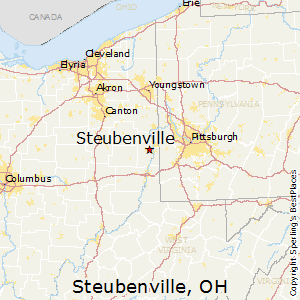 After months of deliberation, Steubenville (Jefferson County), Ohio, City Council voted to accept a bid and proceed with leasing the city’s mineral rights to the oil and gas industry, including areas near residential neighborhoods and Beatty Park. Some residents voiced strong opposition, citing threats to the park’s ecosystem, health concerns, and insufficient public involvement, urging the council to reject bids or form a resident-inclusive committee. Fourth Ward Councilman Royal Mayo voted against it, questioning fracking’s health effects. First Ward Councilman David Albaugh supported it, noting that surrounding areas are already fracked and that no well pad would be built in Steubenville. The money (over $1 million!) is expected within 90 days.
  What a disappointment. We don’t know why, but at yesterday’s U.S. House Committee on Transportation and Infrastructure meeting on the Water Resources Development Act (WRDA), an amendment to overturn the Delaware River Basin Commission’s (DRBC) authority to ban fracking was NOT introduced. The WRDA passed and now goes to the House for a vote — without the amendment that would have overturned the DRBC frack ban, which illegally strips landowners’ property rights in Wayne and Pike counties (in Pennsylvania). The only conclusion we can draw is that the Republican leadership, for whatever reason, didn’t want it attached to the bill. Meaning they caved. Again, what a disappointment.
 Last year, we reported on a Pennsylvania Supreme Court decision issued in the case of Commonwealth of Pennsylvania, Pennsylvania Game Commission v. Thomas E. Proctor Heirs Trust (see