
NextEra to Build 2 GW of New Gas Plants to Power $100B KY AI Campus
 A coalition of energy and utility companies announced on Wednesday (July 29) that they’re turning a chunk of the U.S. Department of Energy’s (DOE) old Paducah uranium enrichment site in far western Kentucky into a massive data center campus. The gas angle: NextEra Energy will build and own up to 2 gigawatts (GW) of new natural gas-fired generation to power the thing. That’s 2,000 megawatts (MW) of brand-new, on-demand gas burn dropped into a state sitting at the western end of a pipeline system that reaches back toward Appalachia. Here’s the deal in brief… Read More “NextEra to Build 2 GW of New Gas Plants to Power $100B KY AI Campus”
 Back in May, we told you about a new 28-mile intrastate natural gas pipeline Enbridge Gas North Carolina (EGNC) wants to build in Chatham and Lee counties, running from Siler City southeast to Moncure (see
  Two days ago, we brought you word of a big new gas-fired power plant headed for Dominion Energy’s Mt. Storm complex in Grant County, WV (see
  MARCELLUS/UTICA REGION: Garrity uses farm plan to knock data centers, distances herself from Trump tariffs; Huge solar farm in 4 Erie County townships nears final approval stage; OTHER U.S. REGIONS: Michigan legislature draws the line on climate lawfare; NATIONAL: U.S. natural gas futures steady in early trading; Lower crude oil prices reduced U.S.-Canada energy trade value in 2025; INTERNATIONAL: Oil surges as tensions erupt; Oil, gas sector is cash rich, capital cautious; QatarEnergy buys 33 US LNG cargoes to offset Hormuz disruption; Hormuz traffic shows defiance.
  There’s a brand-new pipeline project on the board for our region, and it’s a good one. Eastern Gas Transmission and Storage (EGTS) — a BHE GT&S company, which means it ultimately belongs to Warren Buffett’s Berkshire Hathaway Energy — is proposing Project Oak Leaf, a 52.5-mile expansion of its PL-1 system that will move an extra 250,000 dekatherms per day (Dth/d) of natural gas from Clinton County, Pennsylvania down to customers in Maryland and Virginia. (A dekatherm is a heat measurement roughly equal to one thousand cubic feet of gas, so call it about 250 MMcf/d — 250 million cubic feet per day.) EGTS plans to file its application with the Federal Energy Regulatory Commission (FERC) in the fourth quarter of this year, with construction starting in early 2028 and gas flowing by the end of 2029. The Frederick (MD) News-Post picked up the story yesterday. Four public open houses are already on the calendar, the first one next week.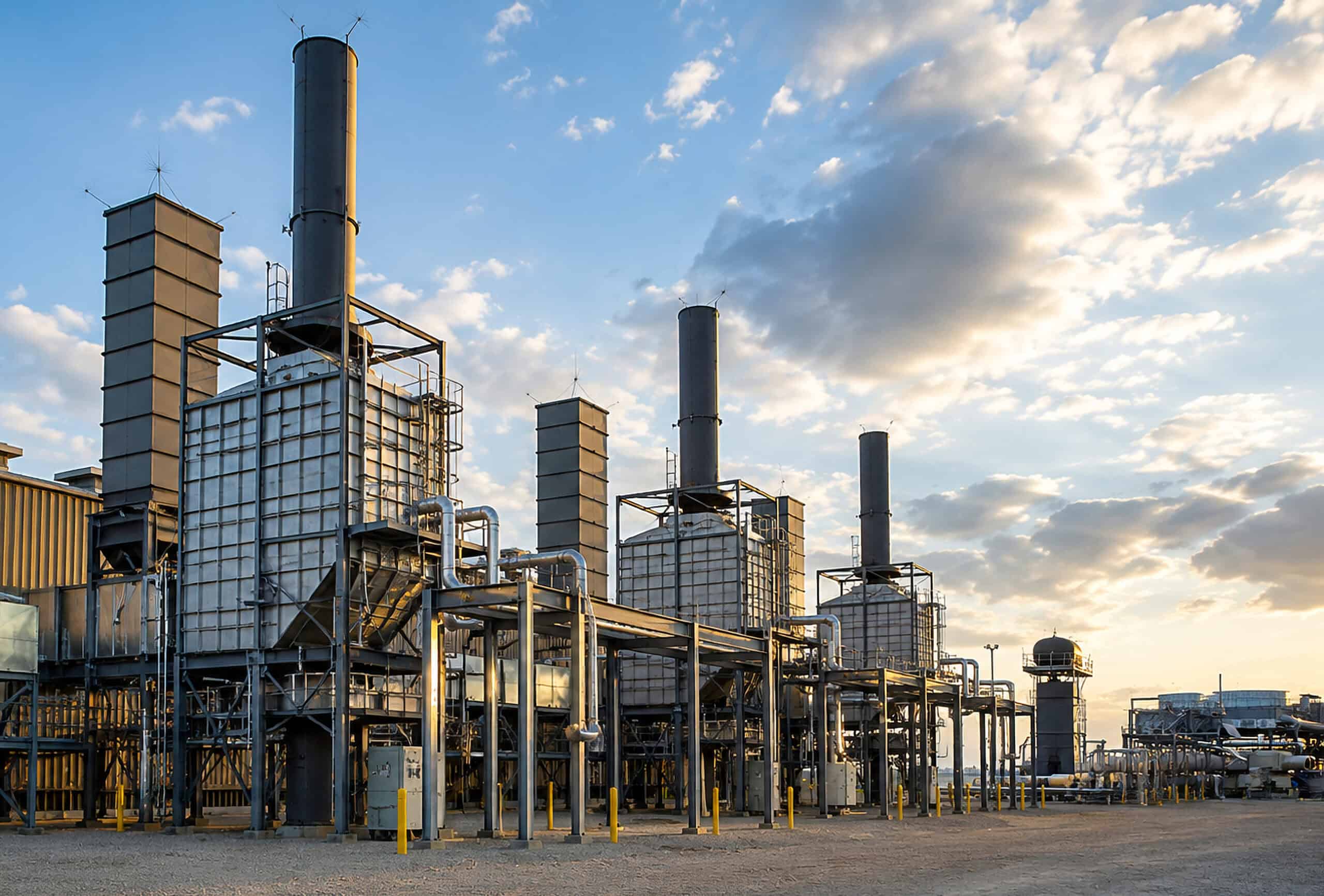
 DTE Energy reported second quarter 2026 results yesterday, and before we dig in, one piece of housekeeping. DTE used to be an M-U player in a big way — it owned gathering systems in the Marcellus and Utica plus half of the NEXUS pipeline. That business walked out the door on July 1, 2021, when DTE spun it off as DT Midstream (see
  Back in May we brought you the news that NextEra Energy is buying and merging with Dominion Energy in a deal valued around $66.8 billion (see
  Back in March, we told you about two radical green groups — the Southern Environmental Law Center and the Sierra Club — running to court to block new gas-fired turbines at Georgia Power’s Plant Bowen in Bartow County, Georgia (see
  Infinity Natural Resources, the Morgantown, WV-based operator running Utica Shale acreage in eastern Ohio and stacked dry-gas Marcellus/Utica positions in southwestern Pennsylvania, put out a preliminary hedging update on July 17th, giving the market a first look at its second-quarter derivative results before full Q2 earnings land. We thought that we would take the opportunity to try and explain (decode) what all of this hedging (derivatives) stuff is about. The headline number: a net derivative gain of approximately $57.5 million for the quarter ended June 30, 2026. That figure is a combination of two very different things, and it’s worth separating them.
  Back in May we told you about FERC’s proposal to modernize its natural gas “blanket certificate” program (see
  The highly functional and responsible Susquehanna River Basin Commission (SRBC), unlike its dysfunctional and irresponsible counterpart, the Delaware River Basin Commission (DRBC), continues to support the shale energy industry by approving water withdrawals and consumptive use requests for responsible, safe shale drilling. The SRBC published a notice in the July 25th Pennsylvania Bulletin that the SRBC approved and/or renewed 21 general water use permits in June for individual shale gas well drilling pads in Clearfield, Lycoming, Sullivan, Susquehanna, Tioga, and Wyoming counties.
  In April, we brought you the news that the Federal Energy Regulatory Commission (FERC) had issued a Draft Environmental Impact Statement (DEIS) for the Kosciusko Junction Pipeline Project (see