
Europeans Came to Pittsburgh Shopping for LNG; EQT Made a Sale
 Back in March, a delegation of European heavyweights came to Pittsburgh with their shopping bags, looking to buy more U.S. LNG. Leading the charge was Jovita Neliupšiene, a Lithuanian who now serves as the EU’s ambassador to the U.S. Looks like they found what they were shopping for — in Pittsburgh. Lithuanian state-owned energy company Ignitis has picked a subsidiary of Pittsburgh-based EQT Corporation, one of the largest U.S. natural gas producers, to supply it with 10 cargoes of liquefied natural gas (LNG) — one per year from 2027 through 2036. EQT beat out other bidders in a competitive tender. It’s the first long-term gas supply contract between Ignitis and a U.S. company. Small deal? Yes. Symbolic deal? Very much so. Read More “Europeans Came to Pittsburgh Shopping for LNG; EQT Made a Sale”
 Another big data center is heading to western Pennsylvania, and this one plans to make its own power with a natural gas-fired plant, right next door to a shale gas well pad. A Florida LLC and a Coraopolis microgrid company have filed preliminary plans for the Misty Hollow Energy & Data Campus: a 1-million-square-foot data center and a 300-megawatt power generation facility on a former dairy farm along Prospect Road (PA Route 528) in Forward Township, Butler County. The site sits next to a PennEnergy Resources well pad, and the township engineer wants a letter from PennEnergy signing off on the plan’s revised access to that pad. The developer now confirms the 300 MW plant will run on natural gas, and it will power the campus “behind the meter,” off the grid.
 Expand Energy — America’s #1 gas producer, which drills in Pennsylvania under the name Expand Oper LLC — just picked up a fresh batch of Notices of Violation from DEP. Pressure tests witnessed by DEP inspectors on Aug. 6 and Aug. 13 confirmed new casing/cementing defects in four wells across three pads in Susquehanna and Wyoming counties, while two more pads remain under watch for older, unresolved issues.
  Alpha Compute Corp. (Nasdaq: ALP), the tiny AI outfit that wants to build a 200 MW gas-fired data center in Tioga County (see
  Here’s one you don’t see every day. The North Carolina Utilities Commission (NCUC) has said “no” to a Duke Energy gas-fired power plant. On Sept. 18, the commission voted 3-1 to deny Duke Energy Progress a certificate of public convenience and necessity (CPCN, the state’s permission slip to build) for a 255-megawatt (MW) gas-fired “peaker” turbine at the Smith Energy Complex in Richmond County. Price tag: $584 million. The twist? The three commissioners who voted no are all Republican appointees, and the lone vote in favor came from a Democrat. Nobody on the commission said gas is the problem. The problem, they said, is data centers: how much of this plant’s power data centers will use, and who would pay for it.
  Appalachian spot natural gas prices just fell off a cliff. Texas Eastern M-2 — the benchmark hub for Marcellus/Utica gas — dropped 41.5 cents to average $1.245/MMBtu for weekend and Monday deliveries, with some trades printing as low as $1.020, according to NGI (
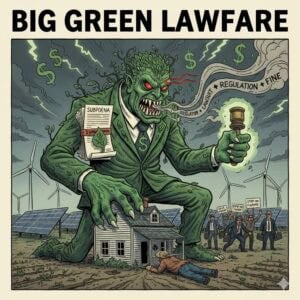 Big Green’s second legal attack against Transco’s Southeast Supply Enhancement Project (SESE) just fired its opening shot. On September 18, Sierra Club, Appalachian Voices, Southern Alliance for Clean Energy, and 7 Directions of Service filed their 142-page opening brief in the D.C. Circuit (Case No. 26-1100), arguing FERC’s approval of the pipeline was “arbitrary and capricious” because the agency allegedly ignored evidence that SESE and a second, co-located pipeline would combine to inflict “severe and potentially permanent” damage on streams across Virginia and North Carolina. Construction on SESE has continued the entire time — including through a failed bid by the same groups to freeze it back in June.
  The U.S. Chemical Safety and Hazard Investigation Board (CSB) last Wednesday, Sept. 16, released its final report on the June 4, 2025, explosion and fire at Shell Polymers Monaca, the ethane cracker plant in Beaver County, PA (see
  The Pittsburgh Tribune-Review (via the TribLive website) ran a big Saturday feature arguing that Western Pennsylvania’s drilling rebound is being driven by the data center boom. The legwork is real — five township officials, two activist groups, a CNX executive, a Pitt professor. The framing isn’t. The story gives readers three different answers to “how many wells does Pennsylvania have,” gets the cause of last year’s drilling backward, and then, twelve hundred words in, quietly disproves its own headline.
  A small liquefied natural gas (LNG) plant in Medley, Florida — just outside Miami — is now trucking rocket fuel up the peninsula to Cape Canaveral. Sawgrass LNG & Power announced last Thursday that it has begun supplying LNG to an unnamed “aerospace customer” at the Cape, with the first deliveries completed in August. We’ve written about this plant before, and the interesting question for MDN readers is the same one we asked in April 2025: are any of those molecules ours?
 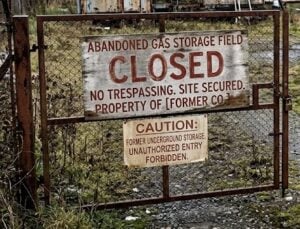 Columbia Gas Transmission (a TC Energy company) has asked federal regulators for permission to permanently walk away from three underground natural gas storage fields straddling the Pennsylvania/West Virginia line near Majorsville — plugging 71 wells, tearing out a compressor station, and abandoning nearly 20 miles of pipe. On September 9, FERC set the clock on its environmental review. If you’re a landowner in Greene or Washington County, PA, or Marshall County, WV, this one lands in your backyard. Here’s the plain-English version of a very technical filing.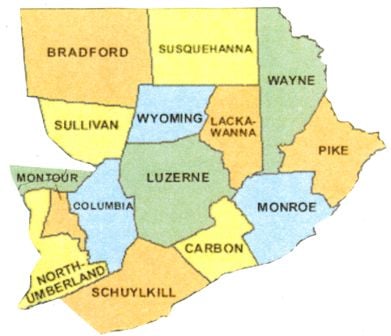
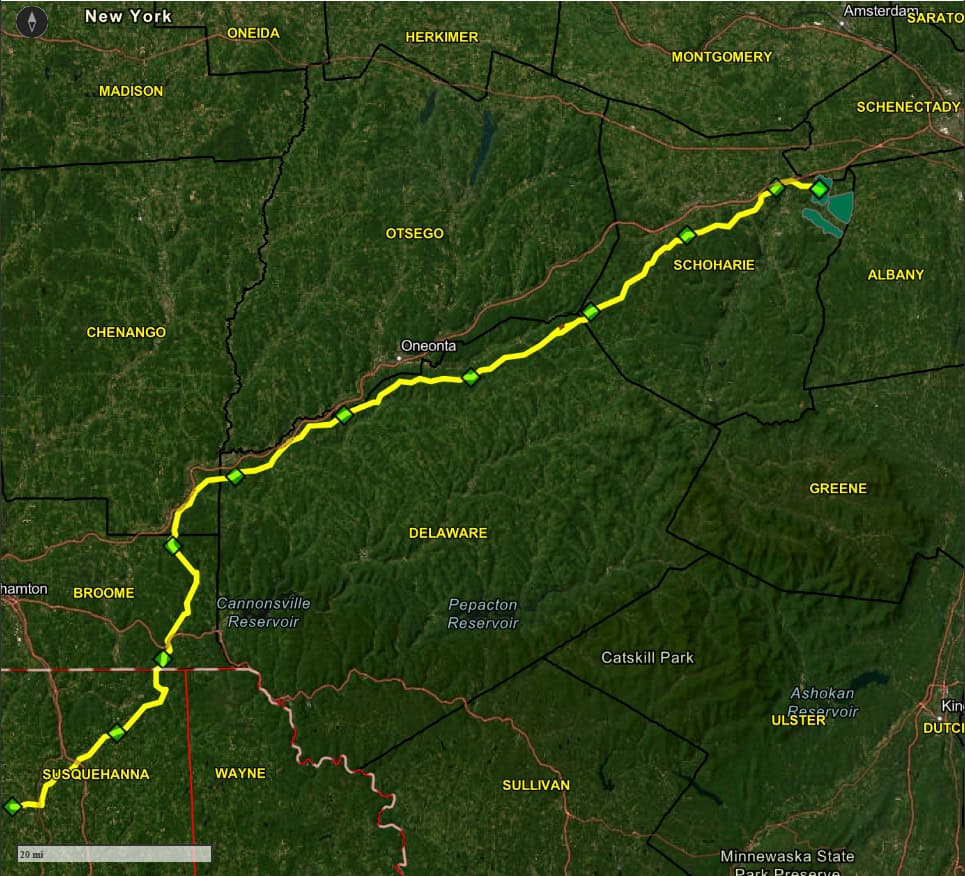
 DeepRock Disposal Solutions wants two of its Noble County, Ohio, injection wells back in service — and the Ohio Department of Natural Resources (ODNR) keeps saying no. ODNR’s Division of Oil and Gas Resources Management shut the Travis and Warren wells in January 2023, blaming them for a 2021 brine eruption that cost the state $1.28 million to clean up. DeepRock argued its case at a hearing in April. It lost. The division chief issued a fresh order on July 31 continuing the suspension, and on Aug. 28 DeepRock appealed to the Ohio Oil and Gas Commission. Here’s the part our readers should circle on the calendar: under Ohio Administrative Code, DeepRock has 120 days from that July 31 order — until roughly Nov. 28 (our count) — to submit a plan fixing what the division found, or plug both wells permanently.
  Precision Drilling, the Calgary-based rig contractor that says it’s the #2 drilling company-for-hire in the Marcellus, announced on Sept. 16 that it will keep buying back its own stock for another year. Yawn, right? Stick with us. The buyback is the boring part. The interesting part is the investor presentation Precision put out this month, which lays out why the company thinks gas drilling for LNG exports will keep its rigs busy for years, and why the price of renting a rig is heading up.