
PA DEP Celebrates Plugging 400th Old Well Under Shapiro Admin
 Yesterday, Pennsylvania Department of Environmental Protection (DEP) Secretary Jessica Shirley visited the site of an orphaned well being plugged in Allegheny County, PA, to celebrate the plugging of the 400th orphaned well since Josh Shapiro assumed the governorship in January 2023. There’s nothing wrong with Shapiro’s bragging and chest-puffing, except that Ohio plugged 480 orphaned wells last year. Since January 2023, Ohio has plugged 1,214 orphaned wells, compared to PA’s 400 wells (3X more). Which makes us ask: Why does it take so much longer and cost so much more to plug wells in PA than in OH? Read More “PA DEP Celebrates Plugging 400th Old Well Under Shapiro Admin”
 In February 2025, the Federal Energy Regulatory Commission (FERC) approved a plan by PJM Interconnection, the country’s largest electric grid (which covers all or parts of 13 states, including PA, OH, and WV), to fast-track the addition of new gas-fired power plants (see
  Yesterday, President Trump accused New York Governor Kathy Hochul of reneging on her pledge to allow the 125-mile Constitution Pipeline project to be built in the Empire State. The project was canceled in 2020 after New York repeatedly rejected the necessary permits. President Trump brokered a deal with New York Governor Kathy Hochul to resurrect the project last year (see
  On April 29, 2026, Pennsylvania’s Department of Environmental Protection (DEP) issued six violations to CNX Resources for causing water supply problems affecting two Bell Township residences in Westmoreland County. The violations targeted three CNX facilities with 19 shale gas wells drilled between 2022 and 2026. DEP determined that CNX operations diminished water supplies after two homeowners filed complaints in December 2025 about loss of well water. CNX was ordered to provide temporary water within 24 hours and submit restoration plans within 15-45 days. CNX, which *did* offer temporary water back in December, is disputing the DEP’s findings, denying responsibility and claiming insufficient evidence of hydrogeologic pathways linking their operations to water impacts.
  On June 8, 2026, a Pennsylvania Department of Environmental Protection (DEP) inspector visited Frontier Natural Resources’ Winner 1, Winner 2, Winner 4H and Winner 6 shale gas well pads, along with four multimillion-gallon water impoundments in East and West Keating Townships, Clinton County. The inspector found that Frontier had not restored the pads and impoundments within 9 months of drilling ending. But here’s the thing: the original violations were lodged by the DEP on July 14, 2017. That’s almost nine years ago! In other words, the DEP didn’t bother to re-inspect the pads/sites for nine years.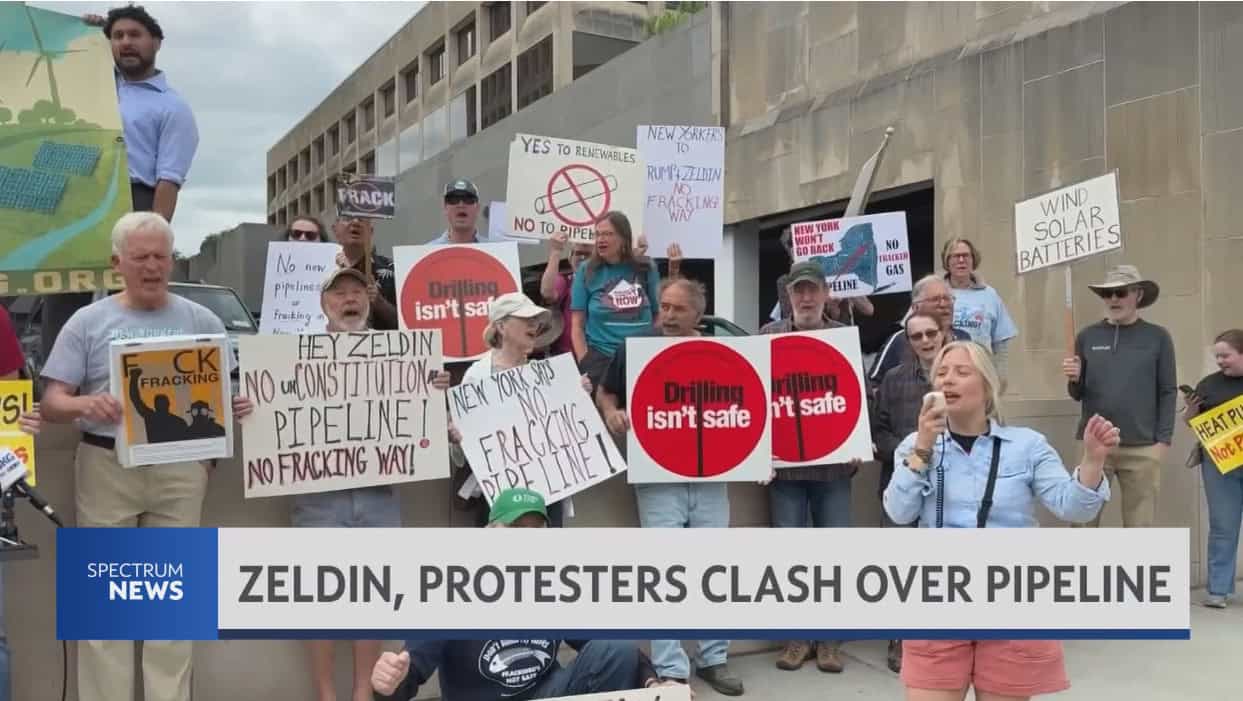
 Back in March, MDN alerted you to a potential new water pipeline coming in Lycoming County, PA, for EQT shale drilling (see
  On March 18, President Trump issued a 60-day waiver pausing the enforcement of the Jones Act (see
 Here’s a West Virginia court case we were not previously aware of, one that affects the entire state regarding local zoning for shale gas drilling. The West Virginia Supreme Court of Appeals ruled Wednesday that municipal zoning laws are not entirely preempted by state environmental regulations, reversing an intermediate court decision and siding with the City of Weirton against SWN Production Company (Southwestern Energy, now part of Expand Energy). The 4-1 decision found no conflict between the state Department of Environmental Protection’s authority over drilling processes and municipalities’ power to regulate land use under the Land Use Planning Act.
  Although there are legitimate concerns over data centers locating in populated communities (noise, water use, etc.), make no mistake: The anti-data center movement is nothing more than the anti-fracking movement in new clothes (see
  The Democrats who rule New York State with an iron fist recently signed a new budget bill into law (57 days late). In New York, the sleazy politicians who run the state slip all sorts of legislation into bills unrelated to the budget. They operate on the “throw as much crap against the wall as you can to see what sticks” theory of legislating. This year, the legislature and governor finally had to face the reality that the state’s 2019 Climate Leadership and Community Protection Act (CLCPA) was not feasible. So they changed it, much to the distress of the radical environmental left. As part of the budget bill, the Dems lightened up on requirements in the CLCPA. The end result is that natural gas infrastructure, including new gas pipelines, is once again on the agenda.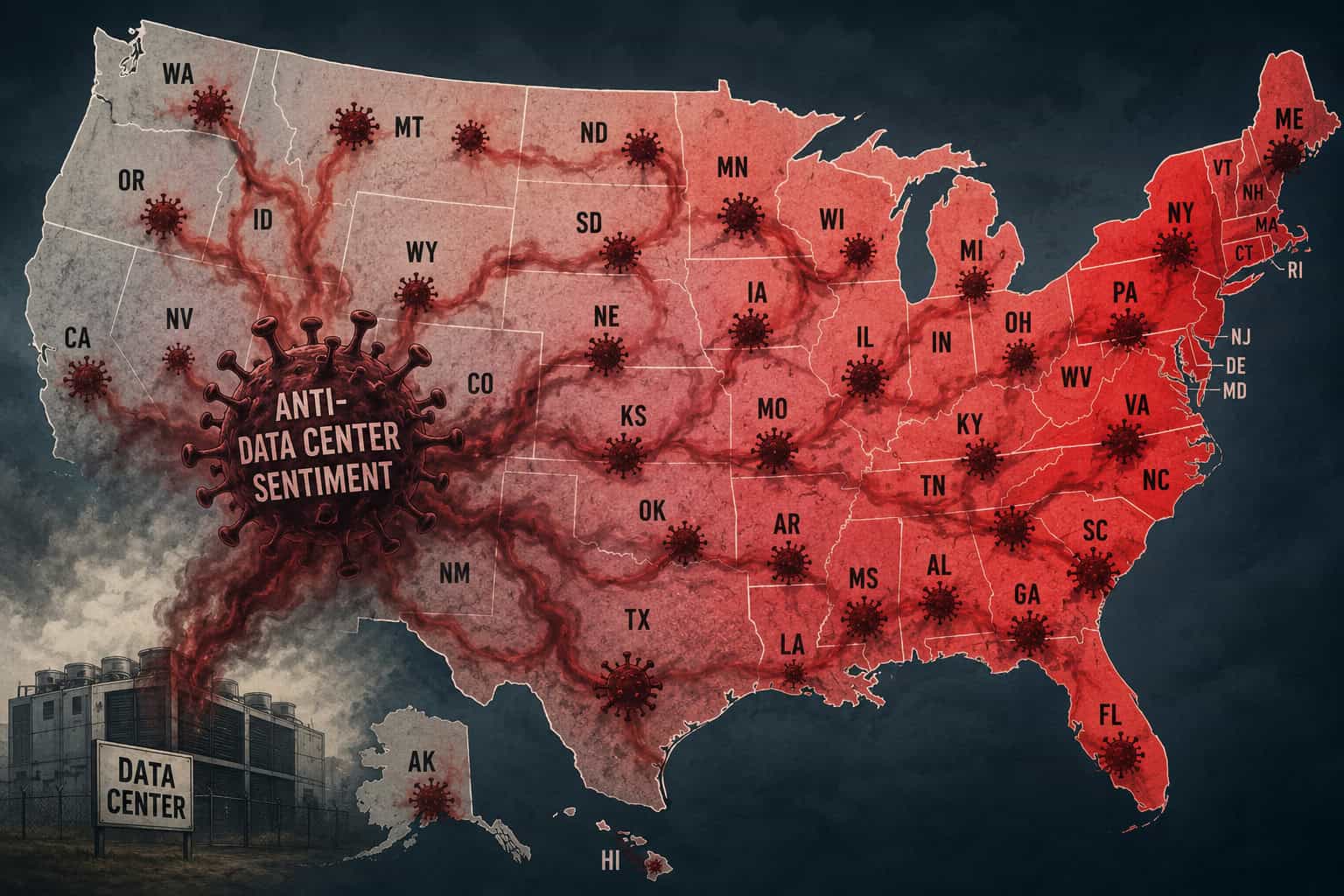
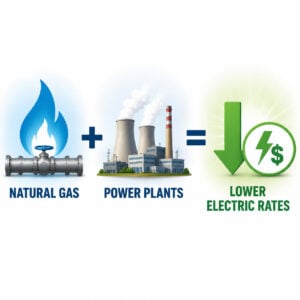 Pennsylvania families face rising electricity bills despite the state’s abundant energy resources. In an excellent op-ed, Bradford County Commissioner Doug McLinko explains that local utilities like Penelec and PECO don’t control electricity costs—they only deliver power. Prices are set by PJM Interconnection’s regional market, where costs are soaring as baseload power plants retire while demand from manufacturing, data centers, and AI surges. Pennsylvania produces massive natural gas from the Marcellus Shale but lacks sufficient modern power plants to convert it into electricity.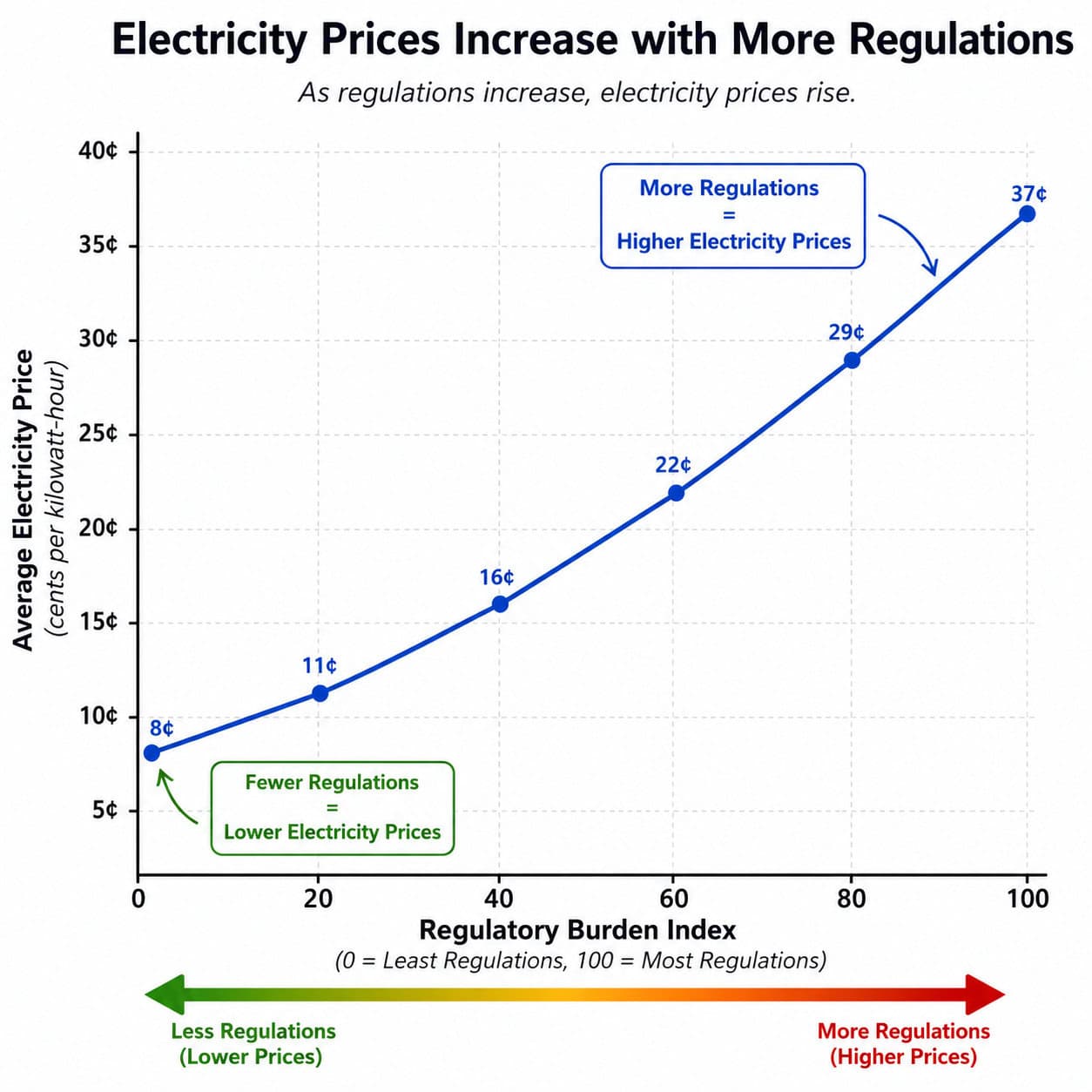
 In March 2024, the U.S. Securities and Exchange Commission (SEC), corrupted by the Bidenistas, voted 3-2 (three Democrats vs. two Republicans) to issue a final rule forcing all publicly traded companies to disclose their so-called greenhouse gas (GHG) emissions and the imaginary climate risks their businesses face (see