
2nd Circuit Upholds NY DEC Water Permit for NESE Pipeline
 The U.S. Court of Appeals for the Second Circuit last Friday slammed the door on Big Green’s attempt to yank the New York water permit for the Williams/Transco Northeast Supply Enhancement (NESE) pipeline. Six environmental groups asked the court to vacate the Clean Water Act Section 401 water quality certification (WQC) that the New York State Dept. of Environmental Conservation (DEC) issued in November 2025. In a summary order issued Aug. 21, a three-judge panel said no. The permit stands. NESE, already under construction, keeps building. Read More “2nd Circuit Upholds NY DEC Water Permit for NESE Pipeline”
 The highly functional and responsible Susquehanna River Basin Commission (SRBC), unlike its dysfunctional and irresponsible counterpart, the Delaware River Basin Commission (DRBC), continues to support the shale energy industry by approving water withdrawals and consumptive use requests for responsible, safe shale drilling. The SRBC published a notice in the August 22nd Pennsylvania Bulletin that the SRBC approved and/or renewed 35 general water use permits in July for individual shale gas well drilling pads in Bradford, Centre, Clearfield, Clinton, Lycoming, Susquehanna, Tioga, and Wyoming counties.
  PJM Interconnection — the grid operator that keeps the lights on for 67 million people across 13 states and DC, including most of the Marcellus/Utica region — dropped its new five-year strategy last Wednesday (Aug. 19). Most of the coverage focused on the four bullet-point priorities, which read like every corporate strategy document ever written. But if you skip to page 5, PJM says two things out loud that our industry has been shouting for a decade: pipeline constraints are choking the grid, and the grid is getting less reliable as it gets more intermittent.
 Three weeks, same number. The Marcellus/Utica held at 35 rigs again last week — Pennsylvania 16, Ohio 10, West Virginia 9, nobody budging. This time we had company: the national count fell five to 588, the first decline in four weeks. And the Haynesville, which has been eating our lunch all summer, gave back two rigs. The bigger story, though, is happening after the drilling stops. Frac crews nationally dropped by nine in a single week.
  NATIONAL: U.S. natural gas futures post small weekly gain; Cash prices fizzle as eastern natural gas hubs retreat; API explains why Sen. Alan Armstrong’s permitting reform legislation is needed; A counter to global warming dogma; The self-destructive opposition to data centers; INTERNATIONAL: Oil rises as US targets Iran’s economy; Iran president urges end to war while refusing to call defeat; Iran running out of oil cargoes; US LNG exports set for endurance test as high gas prices bite; “Transitioning Away from Fossil Fuels” project has become a global program.
  The Marcellus/Utica region received 27 new drilling permits last week, August 10 – 16, up significantly from the 8 permits issued two weeks ago. In something of a reversal, Pennsylvania turned in the fewest new permits, just 4. Ohio issued the most permits, with 16, and West Virginia issued 7 permits. The drillers who received new permits were: Antero Resources (6), Ascent Resources (5), EOG Resources (8), Expand Energy (4), Jay-Bee Oil & Gas (1), LOLA Energy (1), Range Resources (1), and Seneca Resources (1).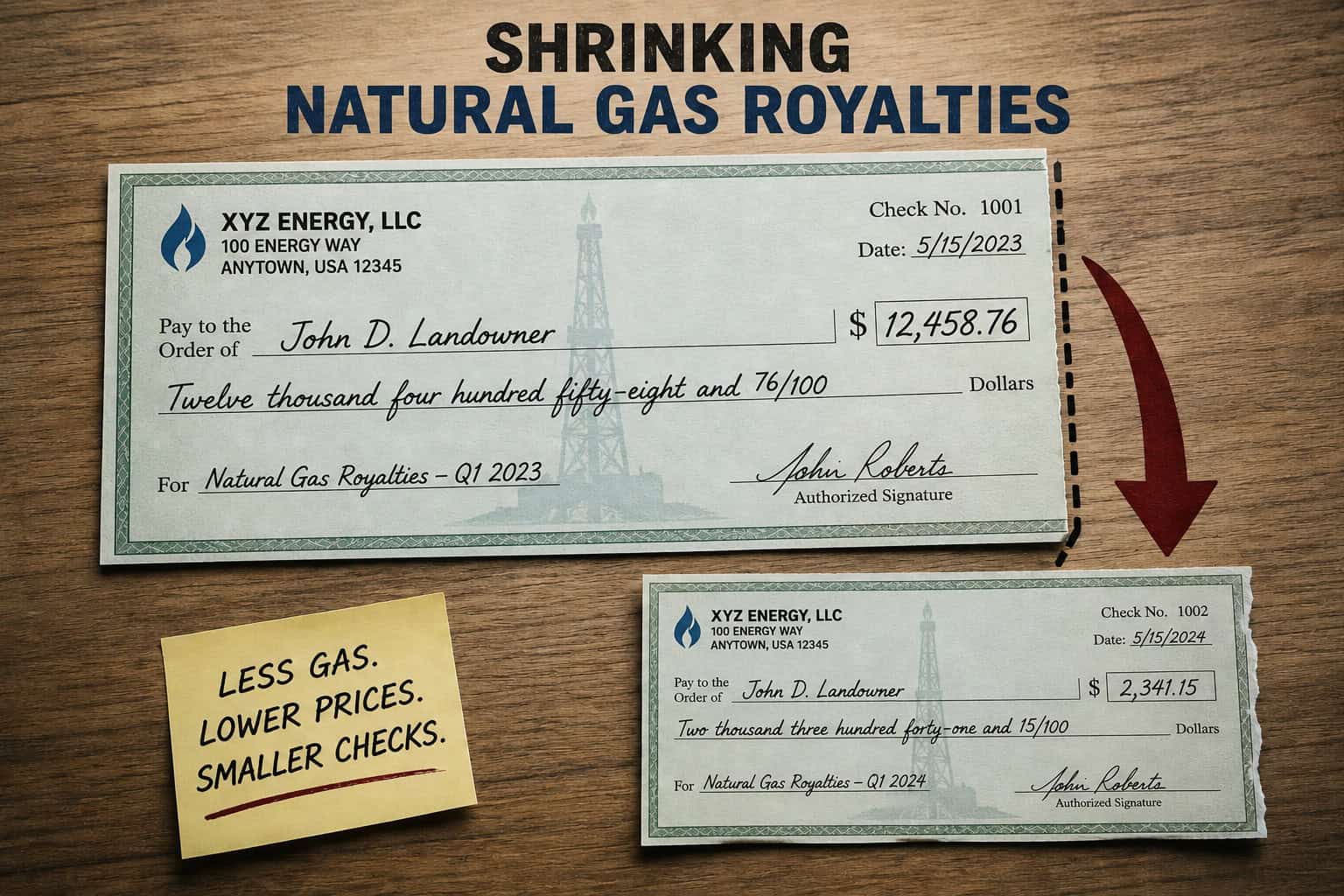
 Score one for the good guys. The Ohio Power Siting Board (OPSB) voted yesterday (Aug. 20) to hand Chestnut Run Energy LLC its Certificate of Environmental Compatibility and Public Need — the golden ticket needed to build a 1,300-megawatt (MW), $2 billion natural gas-fired power plant in Washington Township, Carroll County. That’s smack in the middle of Utica Shale country. MDN first told you about this project back in April (see
  The Columbus Dispatch — a paper based 120 miles northwest of the action — parachuted into Marietta, Ohio, yesterday with a long story about shale wastewater injection wells that leads with the words “radioactive,” “toxic,” and “Russian roulette,” and waits ten paragraphs to tell readers the one fact that matters most: no evidence of drinking water contamination has turned up. Not now. Not in 15 years. We’ve covered this fight since 2025, and we’ll say again what we said in July — there IS a real problem here, but it isn’t the one the Dispatch is selling.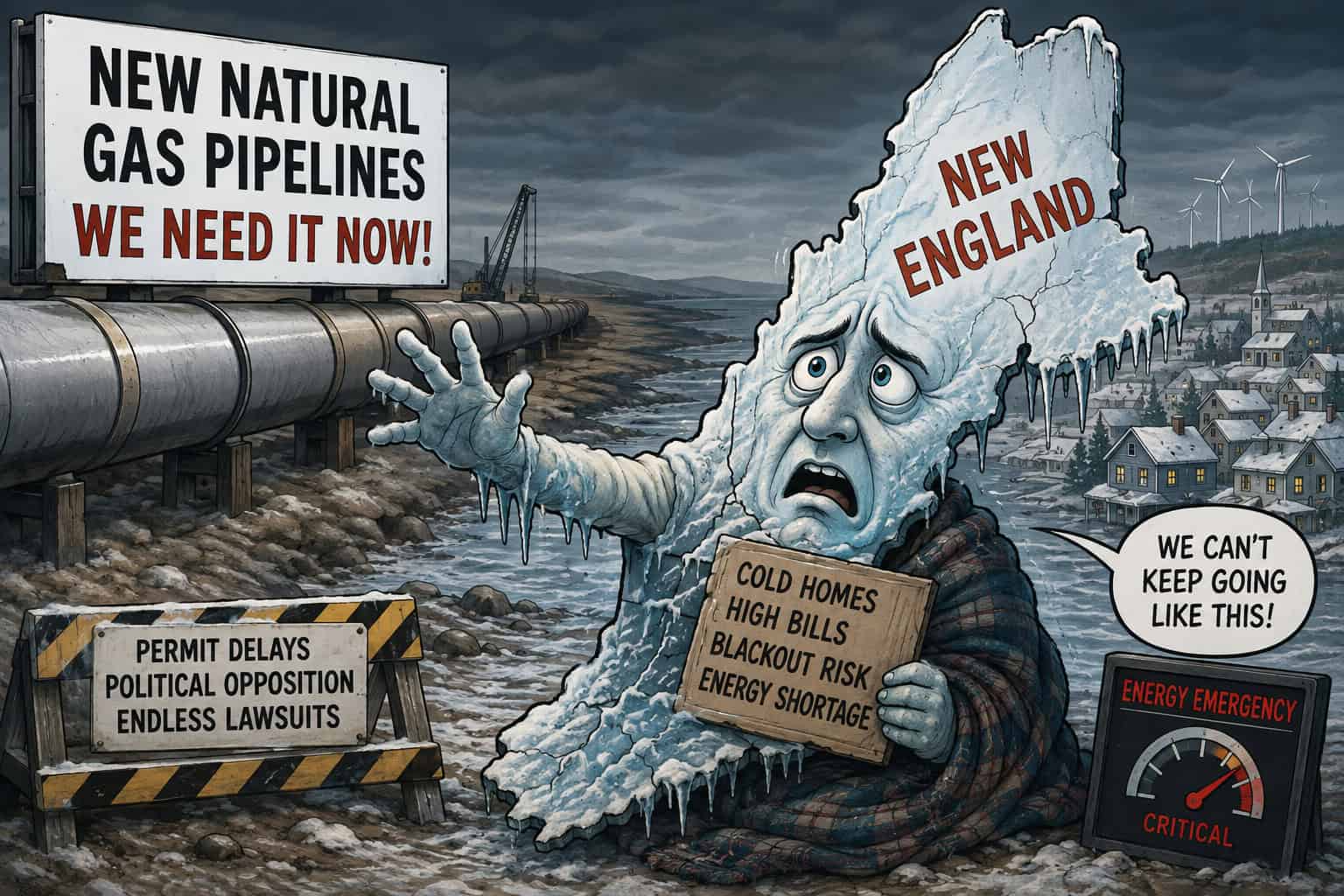
 Epsilon Energy (NASDAQ: EPSN) keeps calling its Susquehanna County, PA, acreage a “legacy” asset — and then keeps telling investors it’s sitting on up to 200 billion cubic feet of gas it hasn’t produced yet. At the EnerCom Denver energy investment conference on Tuesday, Epsilon’s VP of Finance put hard numbers on the northeast Pennsylvania position for the first time, disclosed pad-level economics that are rare to see in public, and dropped the news item that matters most to anyone with a lease inside the Auburn dedication: the company is reviewing an expansion of the Auburn Gas Gathering System to handle drilling coming in 2028 and beyond.
  Six days after WhiteHawk Minerals (NYSE: WHK) filed its first quarterly report as a public company, CEO Daniel Herz took the stage at EnerCom Denver and did something CEOs usually avoid: he put a dated natural gas price forecast on the record. He thinks $4 gas is the number that unlocks the next wave of supply, he doesn’t think the Haynesville gets where people expect, and he thinks the back half of this decade is going to be a roller coaster.