
Anti-Drilling/Fossil Fuel | Energy Services | Industrywide Issues | Iroquois Gas Transmission | Litigation | Pipelines
Judge Tosses Premature Lawsuit to Block Iroquois CT Compressor
 A Connecticut Superior Court judge told a Big Green puppet group, Save the Sound, along with the colluding Town of Brookfield, that their joint lawsuit to block a compressor station expansion was the equivalent of starting the parade before the band had arrived (our words). The two groups are trying to block a permit for a compressor station in the Town of Brookfield proposed by Iroquois Gas Transmission. The CT Department of Energy and Environmental Protection (DEEP) has not yet issued a final permit for the project, so there’s nothing to object to. Yet. After DEEP issues the final permit, they can come back and try again. Read More “Judge Tosses Premature Lawsuit to Block Iroquois CT Compressor”
 In early February, MDN told you about West Virginia Senate Bill (SB) 706, which proposed reducing the state’s severance tax from 5% to 3% for new natural gas and oil wells drilled after June 30, 2026, that meet specific production thresholds (see
  Can we PLEASE now put to bed the pervasive lie spread by anti-shale people that drill cuttings (the leftover rock and dirt that comes out of the ground when drilling a shale well) are somehow glow-in-the-dark radioactive and if disposed of in a landfill will cause people who live near such a landfill to die from radiation poisoning? A two-year study by the Pennsylvania Department of Environmental Protection (DEP) concluded that radium levels in landfill wastewater (leachate) do NOT pose a risk to human health.
  A 39-year-old former division order analyst at Pittsburgh-based EQT has been charged with allegedly stealing approximately $215,000 from the company. Between March 2021 and October 2025, the (now) ex-employee diverted funds from “orphaned” land interest accounts (unclaimed royalties) into a bank account held by his husband. The scheme was uncovered when a supervisor noticed unauthorized payments while reviewing the employee’s work. When confronted, the employee confessed to the theft, citing significant credit card debt as his motive. While his husband has not been charged, the (now) ex-employee faces multiple counts, including theft and unlawful computer use. Approximately $101,000 has already been repaid for official company restitution purposes.
  Last summer, Venture Global announced a final investment decision (FID) for “Phase 1” of its Calcasieu Pass 2 (CP2) LNG project (see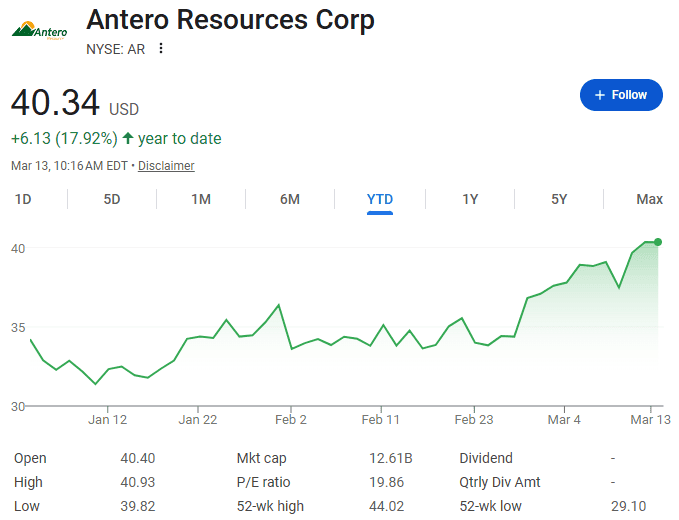
 Just coming to light for us is a lawsuit filed in June 2025 seeking to hold DeepRock Disposal Solutions responsible for the $1.28 million cleanup of a 2021 environmental incident in Noble County. The incident involved fracking brine migrating from a DeepRock injection well into the inactive Gant Well, triggering a massive eruption that contaminated local waterways and killed a couple of hundred fish and salamanders (see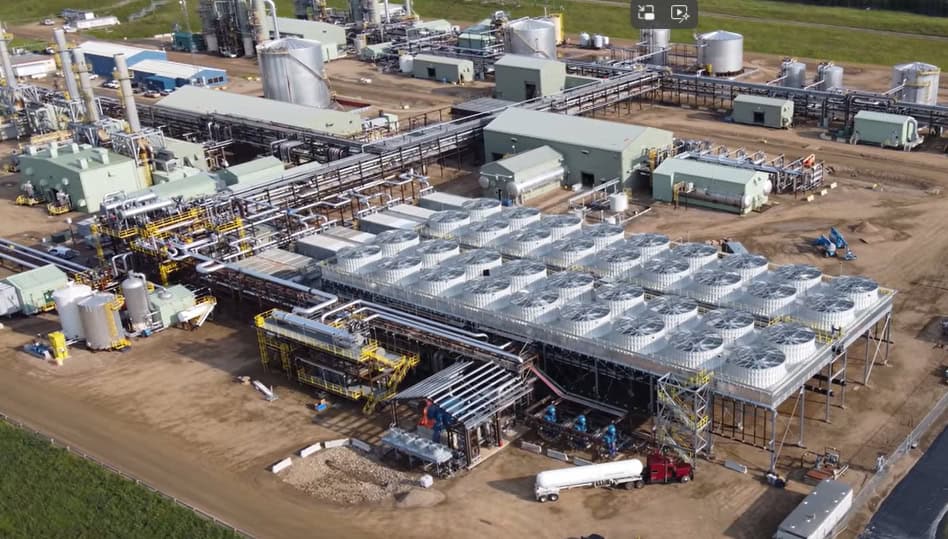
 Finally! The White House is seriously considering (and will likely sign) a temporary waiver suspending the Jones Act for 30 days. The Trump administration is considering a temporary suspension of the Jones Act to help lower gasoline prices, with Press Secretary Karoline Leavitt confirming a formal review of the policy. According to reports from Bloomberg and Reuters, the plan involves issuing 30-day waivers that would allow foreign-flagged tankers to transport fuel from the Gulf Coast and other U.S. hubs to East Coast refiners, a move that shipping and oil companies have already been advised to prepare for.
 The U.S. Energy Information Administration (EIA) reports that surging electricity demand, primarily driven by data center expansion and industrial growth, could significantly increase fossil fuel power generation through 2027. In a high-demand scenario, incremental power needs would likely be met by natural gas- and coal-fired plants, as generating capacity remains fixed in the short term. Consequently, natural gas generation could rise by 7.3%, while the projected decline of coal would slow significantly. This increased demand is expected to raise wholesale electricity prices nationwide.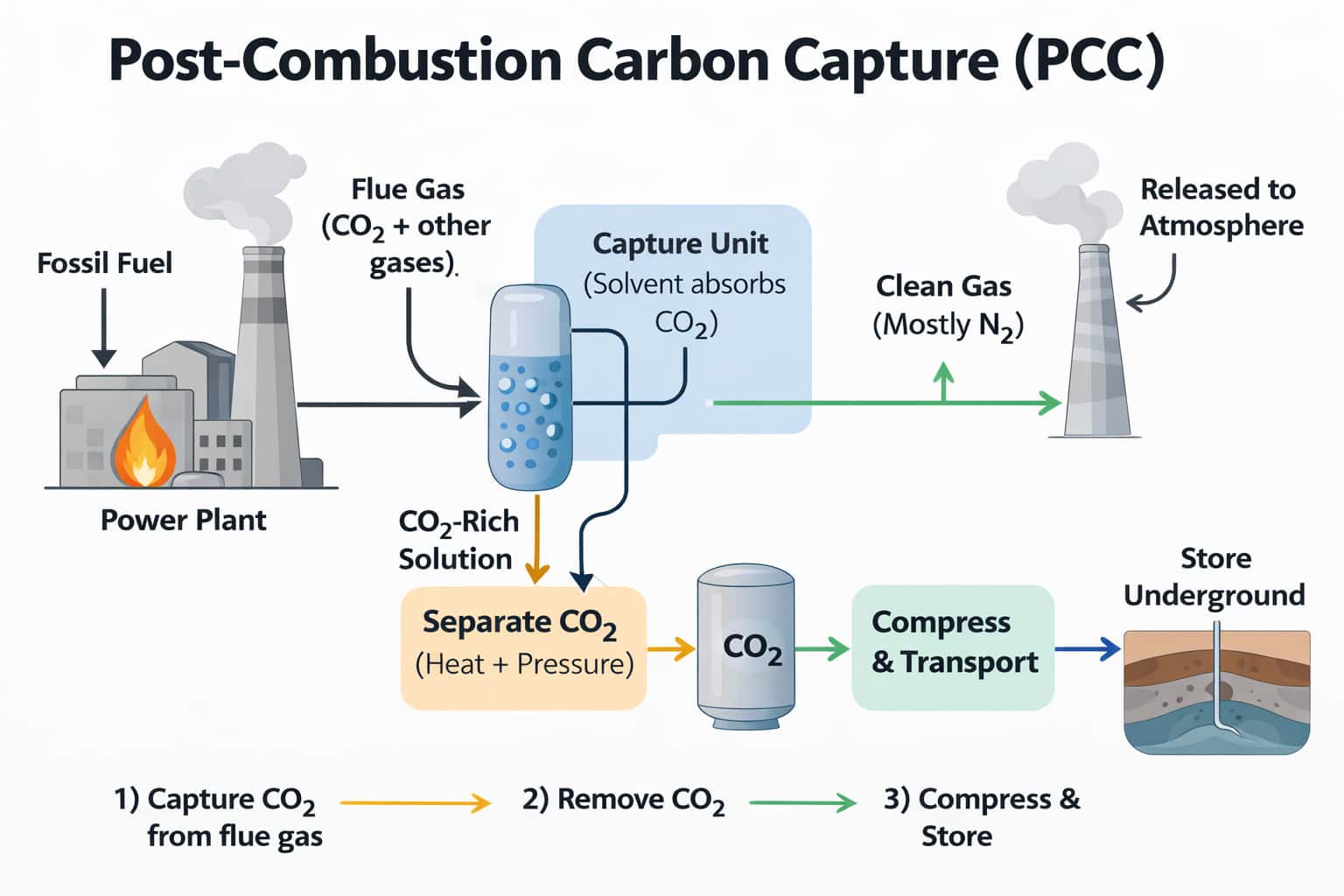
 The Golden Pass LNG terminal is a liquefied natural gas terminal and regasification facility in Sabine Pass (Port Arthur), Texas. It is among the largest LNG facilities in the world. It can accommodate up to 15.6 million metric tons (MT) of LNG per year, the equivalent of approximately 2 billion cubic feet of natural gas per day (Bcf/d). QatarEnergy, Qatar’s state-owned petroleum company, owns 70% of the Golden Pass LNG project. ExxonMobil owns the other 30%. Sabine Pass sees a tremendous amount of Marcellus/Utica molecules flowing to the region via a couple of pipelines, namely Transco (which flows M-U molecules). Hence, our interest in this major natural gas user’s start-up. We have good news…
  Patterson-UTI is a leading North American oilfield services company (OFS company) based in Houston, specializing in high-spec land drilling, pressure pumping, and directional drilling. Patterson operates one of the largest fleets of APEX® rigs, focusing on advanced, technology-driven solutions for oil and natural gas exploration. Patterson operates roughly half of the active rigs in the Marcellus/Utica. Patterson CEO Andy Hendricks made a prediction in a recent interview: Rising US natural gas exports and domestic demand from AI data centers will lead to a shortage of fracking equipment later this decade.
  White House officials, including the legislative affairs team and the National Energy Dominance Council, are ramping up engagement in bipartisan congressional talks to reform energy permitting processes (“permitting reform”). Although negotiations recently stalled when Senate Democrats boycotted over a halt on offshore wind projects, formal discussions have, according to super secret sources, resumed following the administration’s progress on onshore wind and solar permits. The White House seeks legislative action to streamline environmental reviews, bolster domestic production, and lower energy costs amid rising electricity demands.