
Spectra Energy 2Q16 – Access Northeast “Advancing Toward Execution”
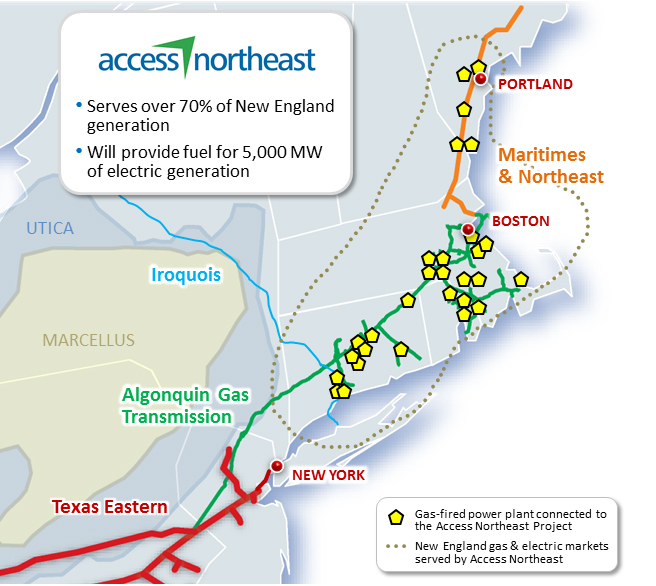
It sure pays to be in the pipeline business. One of the biggest pipeline (i.e. midstream) companies in the U.S. is Spectra Energy. Spectra has a number of existing and planned pipelines in the Marcellus/Utica region. Yesterday Spectra released their second quarter 2016 update, reporting a net income of $305 million for the quarter. Spectra provided a handy list of the ~$6 billion in expansion projects they have under way. One of those projects is the Access Northeast project–representing half of that $6 billion. Access Northeast is the surviving winner of a contest between Spectra Energy and Kinder Morgan to pipe Marcellus and Utica Shale gas to New England and Canada–the “last man standing” when Kinder and their Northeast Energy Direct project bowed out of the race (see NED is Dead – Kinder Morgan Suspends $3.3B New England Pipeline). With respect to Spectra and their Access Northeast project, Spectra CEO Greg Ebel had said yesterday during an earnings conference call that Access Northeast is “advancing towards execution this year” after recently achieving a “number of noteworthy milestones.” That is indeed good news! Here’s yesterday’s 2Q16 update from Spectra, along with an excerpt about Access Northeast from the earnings call…
Read More “Spectra Energy 2Q16 – Access Northeast “Advancing Toward Execution””
 MDN felt that the big news today was word from Spectra Energy that their Access Northeast pipeline project is making excellent progress (see Spectra Energy 2Q16 – Access Northeast “Advancing Toward Execution”). However, a bit of news coming from Spectra disclosed on yesterday’s earnings call comes in at a close second. You may recall there was an explosion and fire in Spectra Energy’s Texas Eastern Transmission’s “Delmont Line 27” pipeline in May (see
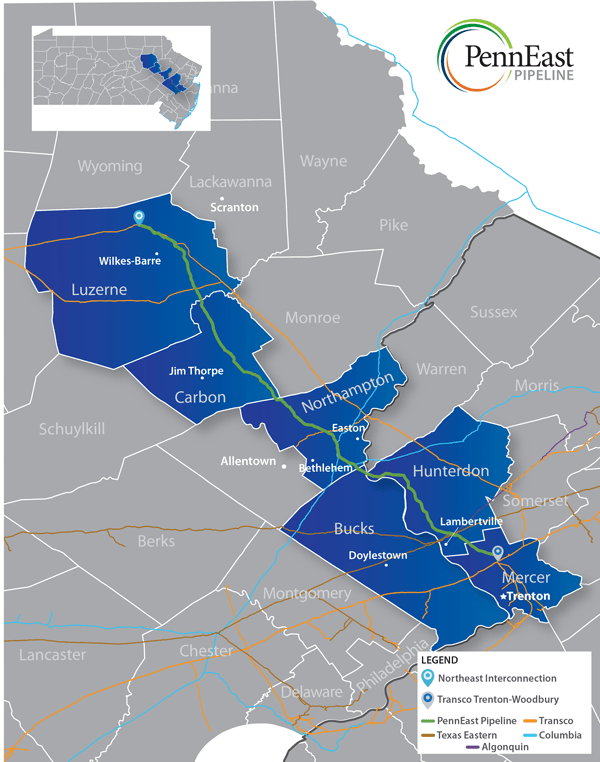
  We found this story amusing. A group of 40 anti-fossil fuel nutters met at the Towamensing Township fire hall Tuesday night to “hone their arguments and strategies on how to derail or at least delay construction” of the $1.2 billion PennEast Pipeline. Why is that amusing? Because if the media is reporting there were 40 there, that means there were really 20-25. And when you read the story, you get the distinct impression that a very small group of hardened anti-fossil fuelers move these meetings around–it’s the same small group–and that their movement to stop PennEast is dying. Rapidly. Here’s the latest evidence…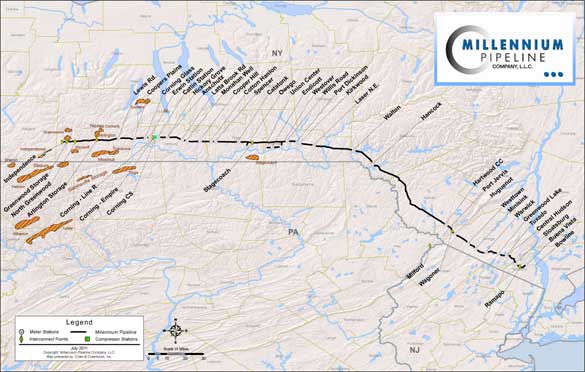
 Midstream giant Williams released their second quarter 2016 financial and operating update on Monday. After the deal by Energy Transfer Partners to buy Williams fell apart, some stockholders in Williams were waiting (agitating) to see what new strategy or direction the company might take. However, the “new” strategy is to keep doing what they’ve always done, according to CEO Alan Armstrong. What do we glean from the Williams 2Q16 update? For one thing, they lost $90 million in the second quarter, versus making $300 million in profit in 2Q15. That’s not so good. However, there are some promising projects on the way for Williams, including the Constitution Pipeline (once the courts slap New York around and force the state allow it), and the Atlantic Sunrise project in PA. Atlantic Sunrise is an expansion of one of the largest interstate pipeline systems in the country–the mighty Transcontinental Gas Pipeline (Transco). Below is the update from Williams, along with links to a transcript of their quarterly earnings phone call with analysts, and a link to their latest PowerPoint slide deck. We’ve also included analysis from Bloomberg on Williams’ “everything old is new again” strategy…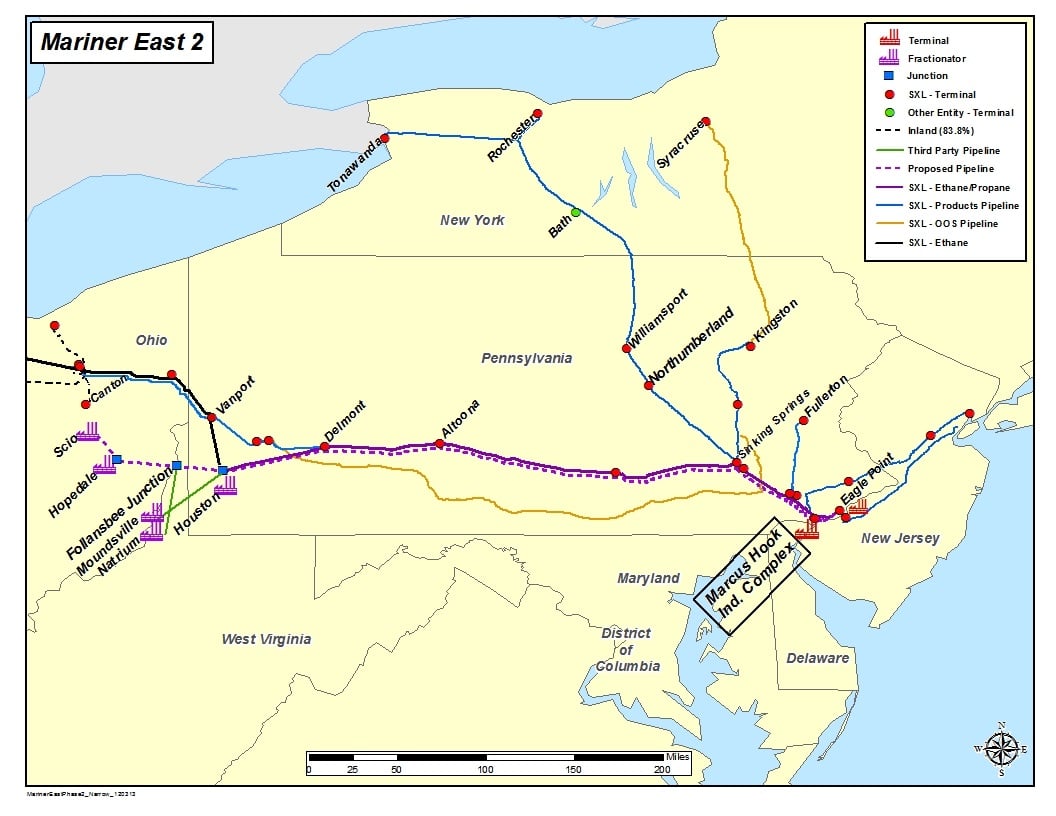
 In April 2013, Dominion signed Japan and India to a deal to accept 100% of the LNG output that will come from their Cove Point, Maryland LNG export facility (see
  Getting a pre-packaged bankruptcy to go is about as fast as getting a Happy Meal at the McDonald’s drive-thru. Relatively speaking, of course. Bankruptcies usually take many months, often years, before a company emerges to fight another day. Not so with the pre-packaged variety. Seventy Seven Energy (SSE), the former Chesapeake Oilfield Operating company, filed a bankruptcy plan just two months ago (see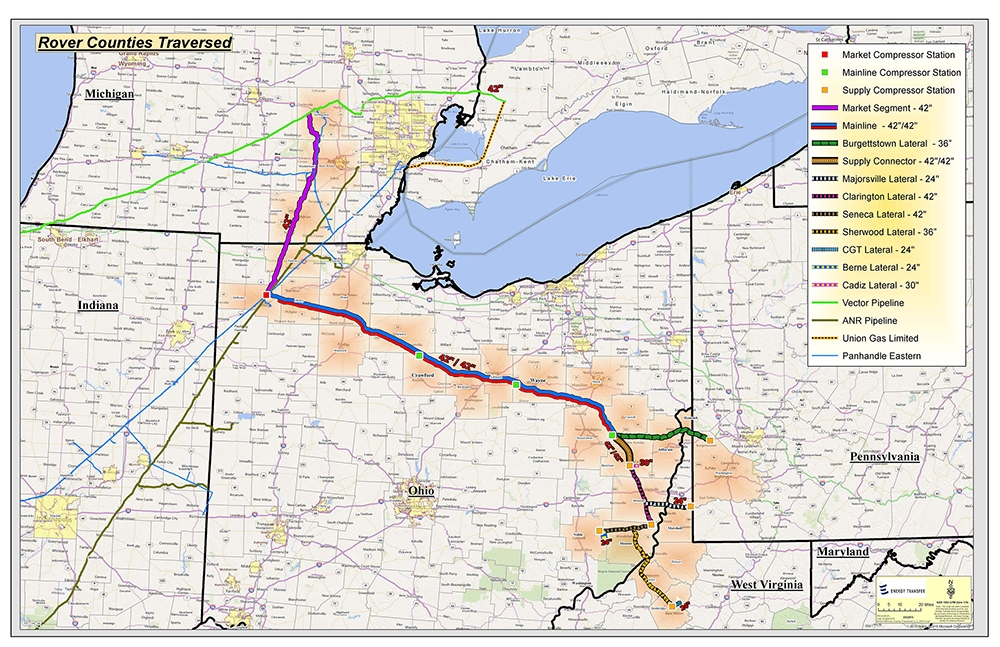
 Fairmount Santrol, an Ohio-based sand producer that sells sand as a proppant for use in Utica and Marcellus Shale drilling, recently released their preliminary second quarter 2016 results sounding a note of guarded optimism (see
  MDN sent an email to our list of daily headline subscribers last week (below). This is a quick reminder that
 In July 2015 Williams filed an application with the Federal Energy Regulatory Commission (FERC) for the $130 million New York Bay Expansion project, which will flow Marcellus gas to 500,000 additional New York City residents by the 2017/2018 heating season (see
 Once the Obama Dept. of Justice burst the dream of merging with Halliburton (see